


AI as the City Intelligence Amplifier.Intelligence the city owns, integrating citizens, business, government and civil society, so the whole city thrives.
October 30 to December 12, 2026. Opening on the World Cities Day weekend, working weeks through November, the finale in December.
Online, free, from any city. Convened from Bern and Lichtensteig, Switzerland, with sessions across time zones.
Living Cities Earth Association, Global Mayors Academy and the City of Lichtensteig with former mayors and ministers, leaders of global city networks and the teams that build and deploy AI.
City leaders and their teams, AI builders and providers, business and investors with researchers, young professionals, residents and nonprofits at the same table: everyone who turns AI into working city services.
A strategy for your own next practical step: for your city, your company, your organization or your own career, written along the way with the people who did it before you.
Today artificial intelligence comes up at every city meeting: in the mayor’s office, in business, at the university. The tools arrive faster than cities can work out how to govern them. From here on, the cities with a clear approach are the ones that gain.
The technology that is changing everything can work for the flourishing of residents, companies and the city itself. That takes building it consciously: seeing the city whole, transport and services, safety and care, education, the economy and jobs, and taking into account, from day one, the rules now coming into force for city AI.
Scattered city data comes together in one space and helps the team make more precise decisions. The data and the logic of decisions stay with the city.
Experience from transport, the economy and jobs, education, energy and safety comes together in real cases throughout the summit. Among them are the ones cities later switched off.
Getting AI right in a city is long and delicate work, and it calls for a measured, conscious approach. This summit is a step along that road: government, local business and employers, residents, civic organizations, young people and the people who build these systems at one table, writing the rules of that road together.
All of them at one table for the whole season, October 30 to December 12.
A city is its government, its citizens, its business, its civil society and its young people. Each hears its own part of the whole. The summit joins them around the intelligence the city owns, and gives the people who build and provide AI a sixth seat at the same table, so that every side gains and the city thrives as a whole.
Brings the mandate, the data, and the responsibility to serve everyone.
Takes away ownership of its own AI, and the language for the regulator.
Bring everyday reality: what a bus route means in a family evening.
Take away services that listen, and a city that finally hears them.
Brings capital, speed, and tools already built and ready to use.
Takes away an equal seat with government, and a strategy for its city.
Brings universities, foundations and media, keeping watch over the whole city.
Takes away an open venue, co-authorship, and access to real city practice.
Brings the decades ahead: school, a first job, the city they will inherit and run.
Takes away AI literacy that employers recognize, a first project of their own, and a seat held by right.
Bring the tools, the research, and an honest conversation about what they mean for public services.
Take away the conditions of entry into a city, signed together with the city, and a room of decision-makers.
The summit runs as one season. It opens on World Cities Day with the expert tables, continues through November with a working track for each voice of the city, and closes in December with the city stakeholders who did the work and the charter they signed.
The vision on October 30. On October 31, World Cities Day, ten tables on AI as the City Intelligence Amplifier, led by the people who have done it in their cities.
Five tracks, one for each voice: cases with measured results, the tools that matter, and a strategy each participant writes for their own city, business or life.
City stakeholders show what they put in place, the charter names its signatories, and the results of the season go on record, from Lichtensteig and online.
An open network of cities and experts, and the programs that carry a written plan into a working service.
Each theme has its own place on the map of the whole city, and its own voice there. Partners bring their frame into the shared space, and the program grows around what they bring. At each table sit the ones who did it, the ones who studied it and the ones who built it. A case has a city, a year, what was put in place and what measurably changed. A rollback counts as a result.
Data, goals and the charter: the conditions under which a city’s AI belongs to the city, and what cities and providers sign together.
Mobility, utilities, health, education, permits: what already works in cities, what it cost, and what measurably changed.
From a one-person shop to a corporate team: AI strategies for a city’s businesses, and the seat of business at the city’s table.
Listening at scale, deliberation, the resident who turns up to meetings, and what a city may know about its people.
The city’s labor market in transition: which jobs change, which appear, and how a city retrains its own people.
The line a city draws: surveillance, consent, open data, and public oversight of the systems that steer decisions.
The EU AI Act for municipalities, and the frames outside Europe: what a city has to do this year, and how to do it well.
AI’s footprint on water, energy and land, and AI for climate action and regenerative cities.
Schools and universities as the city’s AI classroom: from eight to twenty-five, a way in and a certificate at the end.
Live cases, failures included, and the network where cities see each other, compare maturity and exchange directly.
The city team, the company or the agency that put the system into a real service and lived with the result.
The university or institute that measured what it did for people, for rights and for the budget.
The lab or the company that built the tool, ready to say plainly what it does today and where its limits are.
The council member, the union, the journalist or the resident whose questions shaped the system, and what the city changed in answer.
Leading practitioners from around the world at one table: the city teams who put AI to work, the researchers who measure what it does for people and the planet, and the builders who create the tools. Keynotes set the frame, round tables work it through, use cases show what already works, workshops turn it into a plan you wrote yourself, and the charter puts it in writing.
Mayors, city officials and the teams who run services and streets.
Universities, institutes and the companies putting AI to work in cities.
Entrepreneurs, managers and professionals who want to understand AI in depth.
A city registers as a team: the mayor’s office, the department that owns the task, the people who hold the data. In November the team works through its track in two sessions, meets the cities that solved a similar task, and writes its own plan. The city page with the full route follows in October.
The charter of AI for Cities is written in the open, the way open source is. An international team of experts prepares the first draft, and from October 30 everyone in the network can improve it. Those who sign it become its co-authors.
Prepared by an international team of experts and opened at the start of the season on October 30: the foundations of AI that serves a city and its people.
Cities, researchers, companies and individual leaders propose changes through the season. The foundations hold, and the text grows with every accepted proposal.
Every signatory becomes a co-author of the charter, named in the edition recorded at the finale in December.
Who signs: cities and their leaders, AI builders and providers, businesses and investors, universities, NGOs and networks, and people who lead in their own city.
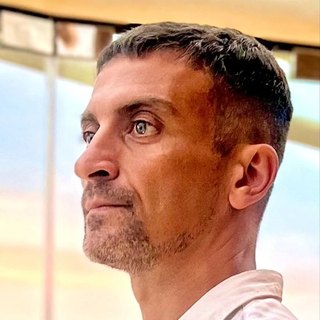
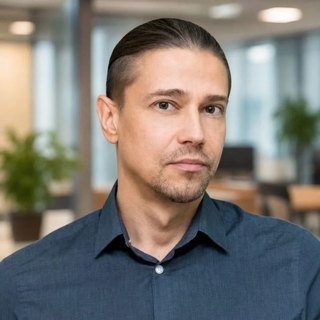
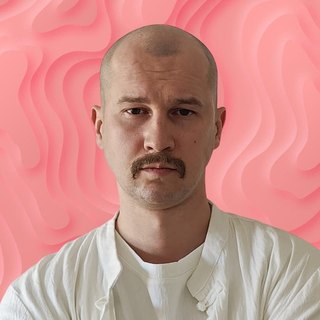
At the table: the mayor of the host town and a former mayor of a capital, a European Commissioner, a minister of digital development, a global network of local governments, planners, investors and AI researchers. They set the tables for October 31 and invite the people who have put AI to work in their cities.
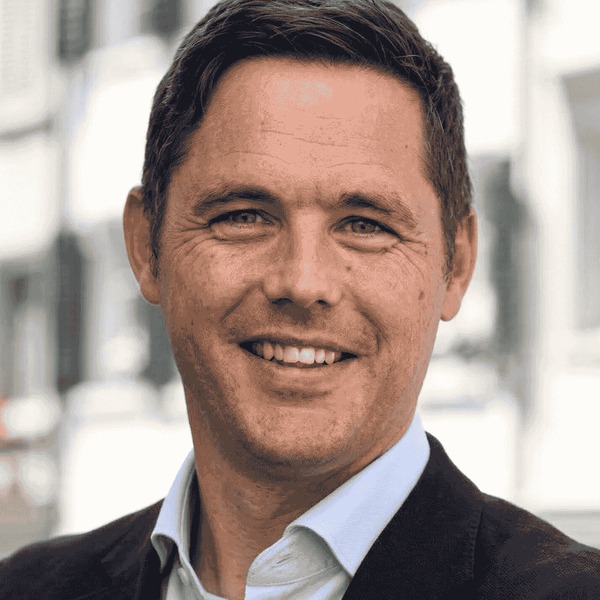
Mayor of Lichtensteig since 2012, the summit's host city
Lichtensteig, Switzerland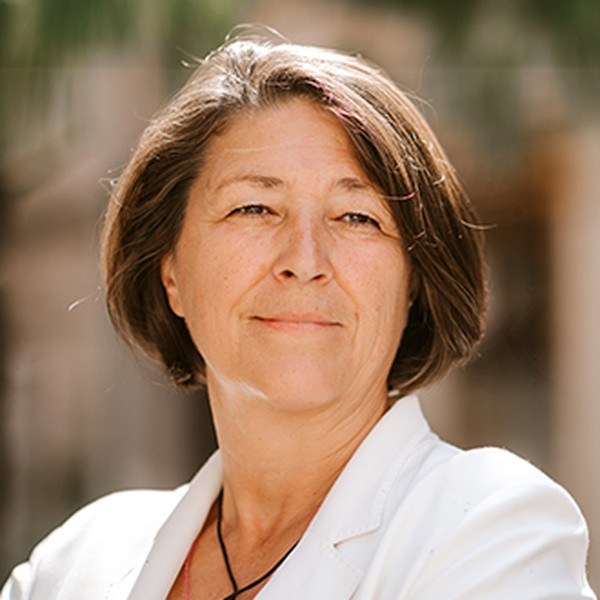
Founder of Ecocivilisation; European Commissioner for Transport 2014-2019, former Deputy Prime Minister of Slovenia
Ljubljana, Slovenia
Creator of the Integral City methodology and the four voices of the city; Chair of Trustees, Findhorn Foundation
Findhorn, Scotland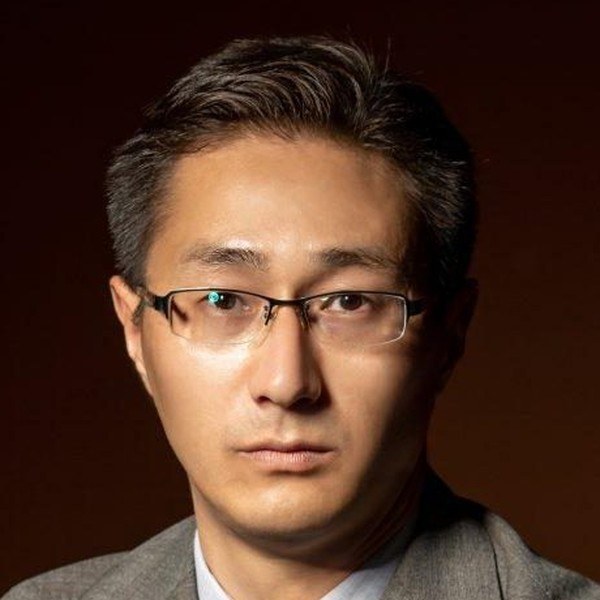
Former Minister of Digital Development, Kyrgyz Republic
Bishkek, Kyrgyzstan
Deputy Secretary General, ICLEI Local Governments for Sustainability
Cape Town, South Africa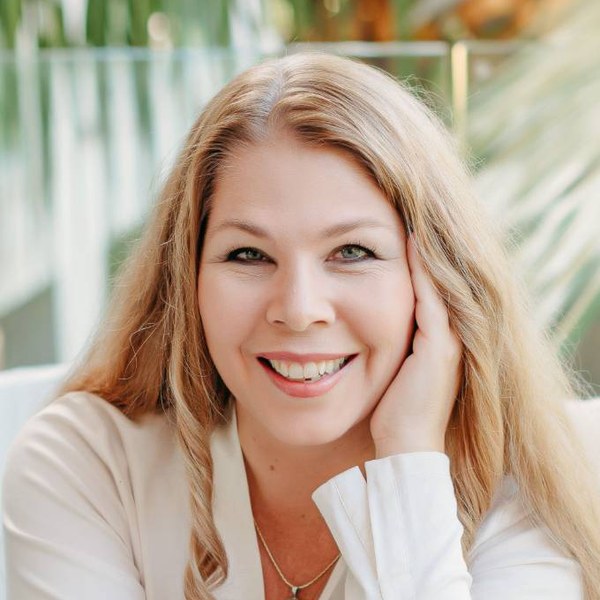
Founder of EARTHwise, lead author of the Participatory Framework for a Global AGI Constitution
Mauritius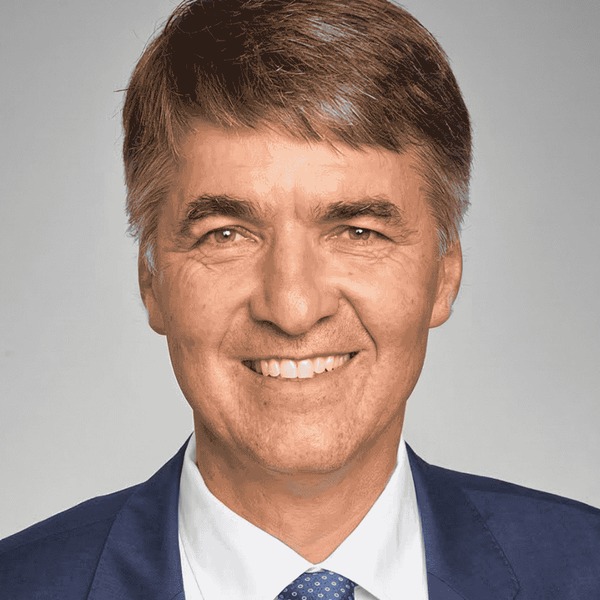
Mayor of Bern 2017-2024, Vice President of the City of Bern
Bern, Switzerland
Founder of AQAL Capital, member of the Club of Rome
Munich, Germany
Founder of Global Education Futures
Valencia, Spain
Member of the European Parliament 2009-2014, founder of reLife Earth
Athens, Greece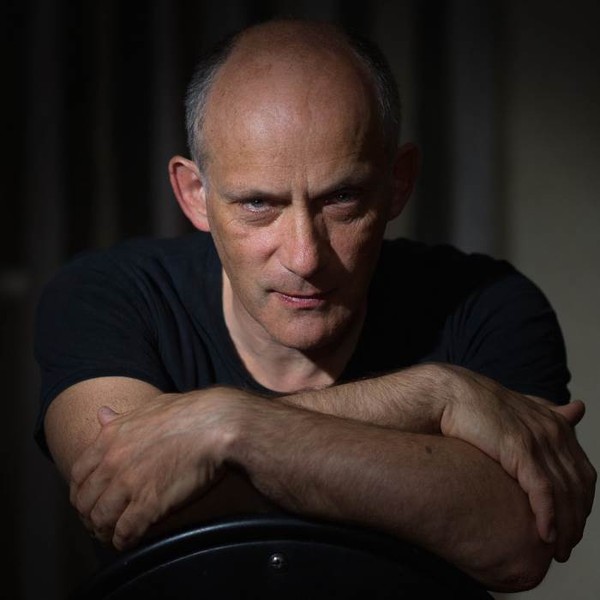
Senior AI researcher, SingularityNET Foundation; Novosibirsk State University
Novosibirsk, Russia
Founder of TSPA Making Cities, planning expert with UN-Habitat
Berlin, Germany
Architect, author of the Urban Hub series on cities
Cape Town, South Africa
Chief Operating Officer, Global Mayors Academy
Los Angeles, USALichtensteig, Toggenburg. The finale gathers here in December, and the town is the case study at the October 31 tables: a small administration that does what only metropolises could before.
Founder, Living Cities Earth; vision and concept of the summit
lev.gordon@
The tables fill through October: city teams with a measured result, the researchers who studied it, and the providers who built it. Take a seat at the table. A person from the team writes back.
One form for everyone: participants, partners, speakers and hub hosts. A real person reads every note and writes back.